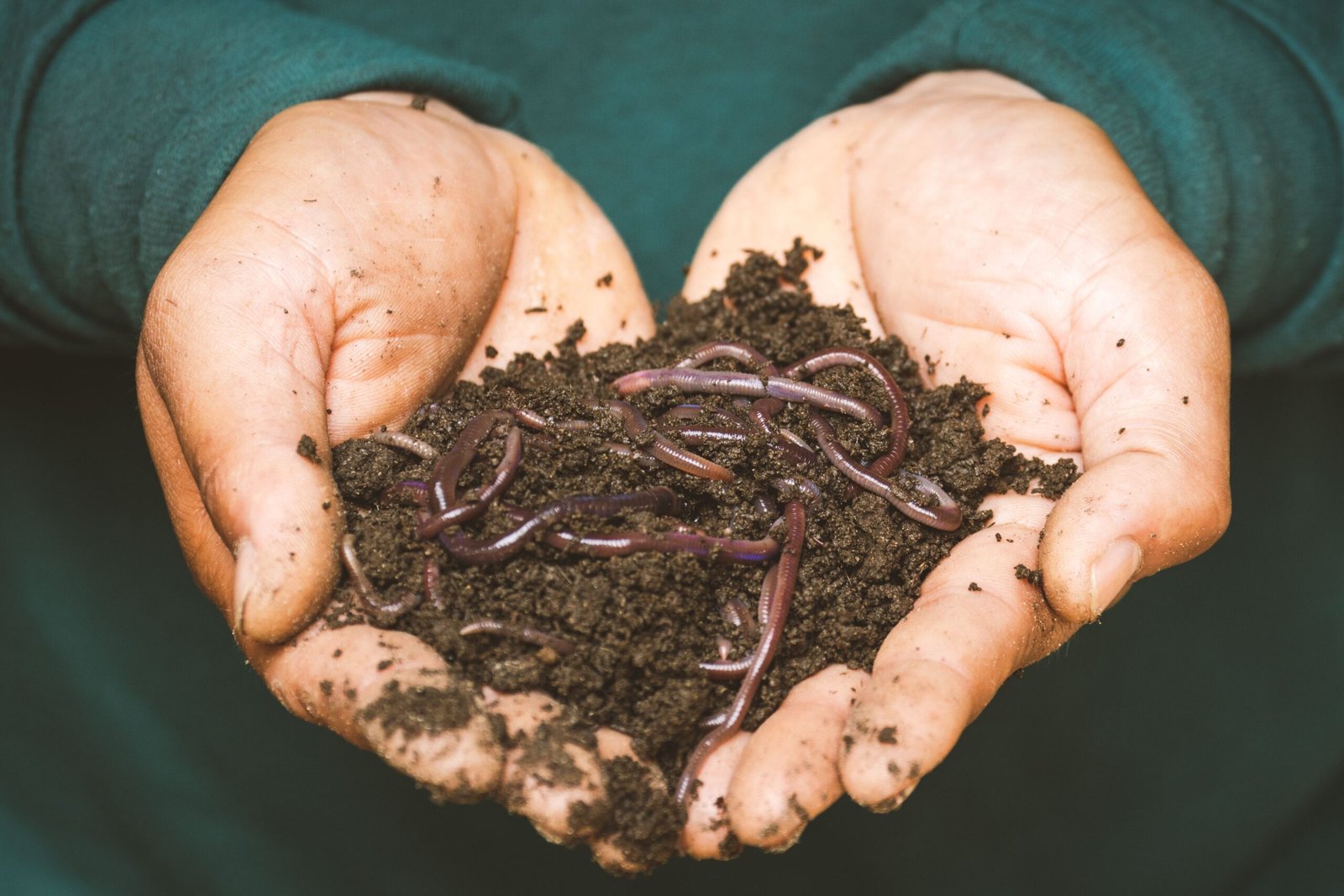
What’s Living in Your Garden Soil?
We often talk about soil as though it is just the brown stuff plants sit in.
Good soil feeds plants. Poor soil needs improving. Heavy soil sticks to your boots. Dry soil turns to dust and blows into next door’s garden.
But soil is not just a material. Healthy soil is full of life.
Some of it is easy to spot. You have probably found earthworms while planting or watched a beetle disappear under the mulch. Most soil life, though, is far too small to see.
That does not mean you need a microscope, a soil-food-web chart or a new hobby involving the identification of nematodes.
You only need to understand the basic idea: plants grow better when the soil beneath them is alive and working.
There is a lot going on down there
Healthy soil contains bacteria, fungi, protozoa, nematodes, tiny arthropods, earthworms and plenty of other small creatures.
They do not all perform one neat job.
Some break down dead plants. Some eat the organisms doing the breaking down. Some move nutrients around. Some make tunnels. Some help hold the soil together. Some are helpful to plants, some are harmful, and many are simply getting on with their own lives.
Together, they form a busy underground community.
You do not need to learn all their names. Knowing the main groups is enough.
Bacteria start breaking things down
Soil bacteria are tiny. There can be huge numbers of them around roots, compost and decaying plant material.
Many help break down soft organic matter such as dead roots, leaves and compost. As that material is processed, nutrients are moved through the soil and can eventually become available to plants.
Bacteria also help form small crumbs of soil rather than one solid lump.
That matters because roots need spaces around them. Water needs somewhere to soak in, and excess water needs somewhere to go.
Bacteria are not little bags of fertiliser waiting to feed your tomatoes on command. But they are an important part of the system that keeps nutrients moving.
Fungi reach farther
Soil fungi are not just the mushrooms that appear after rain.
Much of a fungus lives underground as very fine threads. These threads spread through the soil, around roots and through old pieces of plant material.
Some fungi are particularly good at breaking down tougher materials, including woody stems and fallen leaves.
Others work closely with plant roots. The fungus helps the plant reach water and nutrients from a wider area of soil. The plant supplies the fungus with sugars in return.
Both sides get something useful. Nature was doing mutually beneficial business deals long before anybody invented networking breakfasts.
Fungal threads can also help hold soil together. This is one reason undisturbed soil often has a better crumbly structure than soil that is constantly dug over and knocked about.
Then come the grazers and hunters
Protozoa and nematodes are less familiar because most are microscopic.
Many feed on bacteria, fungi or other tiny organisms. As they eat, nutrients held inside their food are released and continue moving through the soil.
Some nematodes do damage plant roots, which is why the word often appears in gardening advice as though every nematode is a tiny criminal.
They are not.
There are many different kinds, and plenty are part of a normal, healthy soil community.
For the average gardener, that is enough information. You do not need to work out which nematode is eating which bacterium underneath the cabbage bed.
The useful point is that soil contains grazers and predators as well as decomposers. They help stop the whole system becoming one enormous heap of half-rotted leaves.
Tiny creatures do the shredding
Small arthropods include creatures such as mites, springtails, beetle larvae and other tiny animals living in and around the soil.
Many feed on dead plant material or tear it into smaller pieces.
A whole leaf takes time to break down. Once it has been nibbled, shredded and dragged about, bacteria and fungi have far more edges to work on.
It is much like chopping vegetable scraps before composting them, except the soil creatures do it without expecting you to wash the knife afterwards.
Some arthropods also eat fungi, bacteria or other small creatures. Again, the details become complicated very quickly, but the overall result is simple: dead material is broken down and recycled rather than sitting unchanged on the surface forever.
Earthworms do the heavy work
Earthworms are the soil creatures we notice most.
They pull dead plant material into the ground, digest it and leave behind casts. They also make tunnels as they move.
Those tunnels give roots somewhere to grow and help air and water move through the soil.
Worms are particularly welcome in heavy soil, but they cannot perform miracles. A few earthworms will not turn badly compacted builder’s rubble into perfect garden soil by next Tuesday.
They also need food. Soil that is kept bare and given very little organic matter will not support the same level of worm activity as soil regularly topped with compost, leaves or mulch.
What does living soil do for your garden?
All this activity helps create soil that plants can actually grow in.
Living soil tends to have a better structure. It contains small spaces for air, water and roots. Organic matter is broken down and recycled instead of simply sitting on the surface.
Nutrients move through the system. Plant roots interact with the organisms around them. Dead roots and leaves become food for the next stage of growth.
That does not mean living soil solves everything.
It will not correct a serious drainage problem, remove contaminated soil or make sun-loving plants thrive in deep shade. You may still need to add compost, improve drainage, choose better plants or deal with a particular pest.
The soil community is a workforce, not a fairy godmother.
How gardeners make life harder
Soil organisms need much the same basic things as other living creatures: food, water, air and somewhere suitable to live.
Compacted soil contains fewer useful air spaces. Bare soil can become very hot, dry or battered by heavy rain. Repeated digging breaks up fungal threads and disturbs the structure that soil life has helped create.
Excessive chemical use can also affect organisms other than the pest being treated.
This does not mean you can never dig, use a garden path or treat a serious problem.
Gardening does not have to become a test of moral purity.
Dig when you need to. Deal with pests when they are causing real damage. Just avoid disturbing or treating the whole garden automatically when a smaller response would do.
The practical bit: feed it and cover it
The easiest way to support soil life is to give it organic material.
Add compost, leaf mould or another suitable mulch to the surface. Rain and worms will gradually draw it down, while the soil’s natural microbial life breaks it down and helps make the nutrients available to plant roots.
You do not always need to dig it in. Leaving it on the surface copies what happens naturally when leaves and dead plants fall to the ground.
Try to keep soil covered with plants or mulch rather than leaving large areas bare.
Avoid walking on beds, especially when they are wet. Wet soil compacts easily, and once the air spaces have been squeezed out, roots and soil organisms have a much harder job.
Leave healthy roots in the ground where practical. Once the top of an annual plant has been removed, its old roots will rot and feed the soil. They also leave small channels behind.
Grow a mixture of plants. Different roots support different organisms, so variety above ground helps create variety below it.
And do not assume the first answer must come in a bottle.
There are useful specialist products, but most ordinary garden soil benefits first from compost, plant cover, less compaction and fewer unnecessary disturbances. Those are not glamorous solutions, but soil life has fairly simple tastes.
You do not have to manage it all
The reassuring thing about living soil is that you are not expected to control every part of it.
You do not need to count bacteria, identify fungi or worry about whether your protozoa are performing adequately.
Your part is much simpler.
Feed the soil with organic matter. Keep it covered. Avoid flattening it or digging it over without a reason. Grow plants in it.
Then let the things living beneath your feet do the work they have been doing for a very long time.