How to Make More Growing Space in a Small Garden
A small garden can feel full very quickly.
You start with a couple of pots by the door, add some herbs, perhaps a tomato plant or two, then strawberries appear, a bag of compost gets tucked into a corner and suddenly there is nowhere left to put a chair.
The difficulty is that growing more food usually seems to involve taking up more space, and in a small garden that only works for so long. Eventually you have to stop thinking about adding more pots and start looking at the space differently.
That often means using edges, height and containers more intelligently rather than trying to squeeze another plant into every available gap.
Start With the Edges
The middle of a small patio or courtyard is usually the space you actually use. It is where the table goes, where you walk, where you sit with a cup of tea, and where you need enough room to move without stepping around pots.
The edges are different.
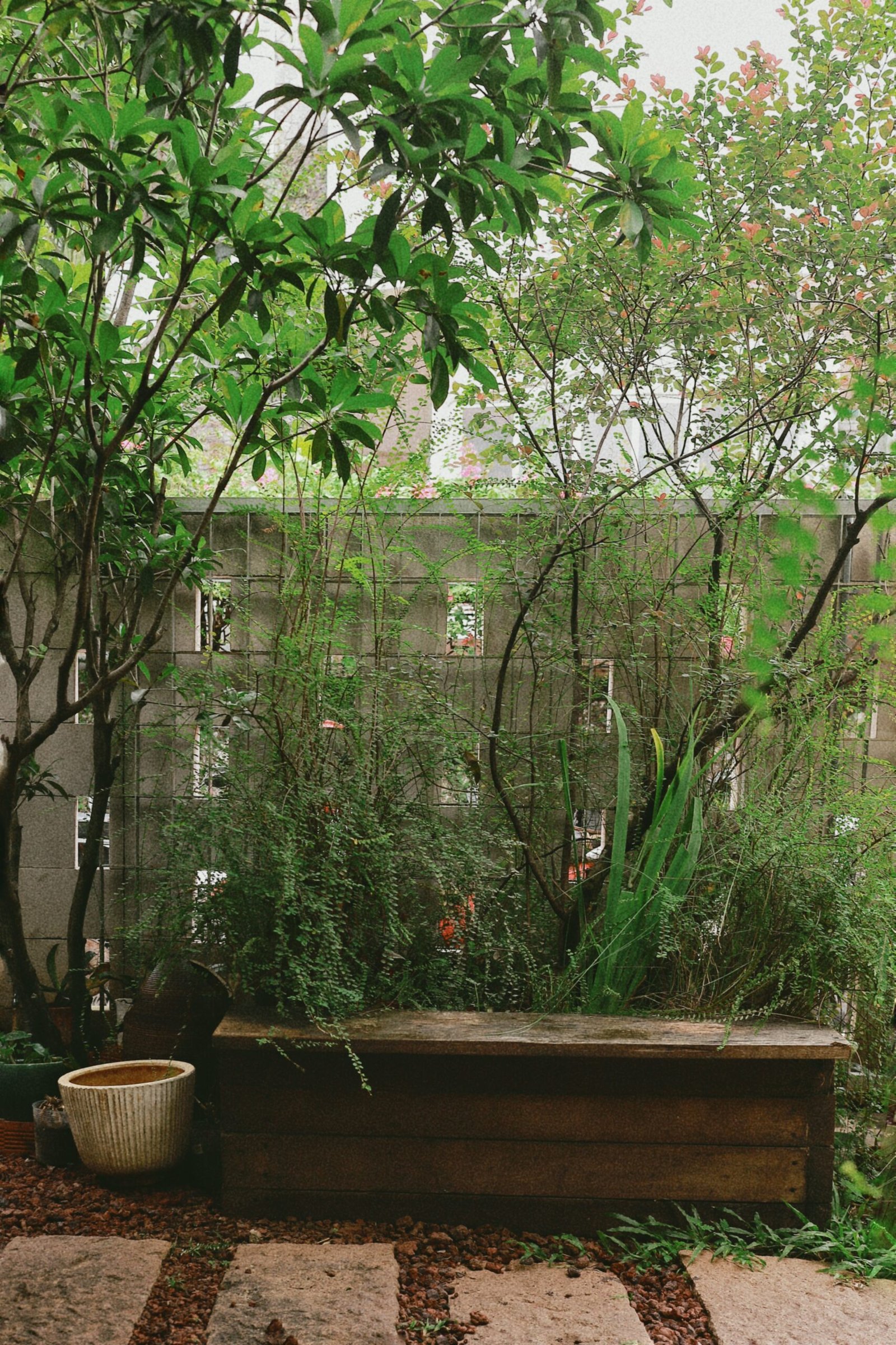
A strip beside a wall, fence or railing can be surprisingly useful because it does not interfere with the main part of the garden. This is where long, narrow containers earn their keep.
Rather than placing several round pots side by side, one narrow planter can hold herbs, salad leaves, spring onions or strawberries while taking up far less usable floor space.
I came across this Cocoyard raised planter, which is long and narrow enough to sit against a wall or patio edge without jutting too far into the garden. Because it is raised, it also brings the plants up to a more comfortable working height.
Affiliate link: https://amzn.to/3TMq1HZ
I would not buy something like this simply because it looks tidy. The point is that it replaces several scattered pots with one contained growing area. In a genuinely small garden, that is much more useful.
Grow Up Before You Grow Out
Once the edges are working harder, the next place to look is upwards.
Climbing beans and peas already teach us this lesson very well. A plant that grows vertically can produce a surprising amount of food from a narrow strip of soil, which is why fences and trellis are so valuable in small gardens.
The same idea can be used with containers.
Vertical planters can work particularly well for strawberries, herbs and salad plants because they allow several plants to occupy one footprint. I would still be slightly cautious about the more extravagant versions, because some look clever in photographs but are awkward to water or far too small for the plants shown growing in them.
The GameXcel vertical planter tower is one example that makes reasonable use of height, with several stacked growing sections rather than separate pots spread across the patio.
Affiliate link: https://amzn.to/4AoadMh
I would use this kind of planter for relatively compact crops rather than trying to force large vegetables into every pocket. Strawberries, parsley, chives, loose-leaf lettuce or smaller herbs make much more sense.
The advantage is not that a vertical planter somehow creates more soil than you have space for. It simply uses air space that would otherwise be doing nothing.
Do Not Forget About Walls and Fences
Vertical growing does not have to mean buying a tower.
A fence can support climbing beans, peas, cucumbers or trained fruit. A warm wall can hold a trellis for a tomato or a cordon fruit tree. Hanging containers can work for strawberries or trailing herbs if you are prepared to keep up with watering.
The important thing is to use height where it genuinely adds something.
There is no point covering every fence with plants if the result is that the lower part of the garden sits permanently in shade. Taller crops need to be positioned so they do not rob everything else of light.
Small-space gardening is usually a balancing act between fitting more in and still giving each plant enough room to grow properly.
Use Fewer, Better Containers
There is another trap that is very easy to fall into.
Because small pots are cheap and easy to move, they multiply.
Before long you have twenty of them, each drying out at a slightly different rate, and watering the garden has become a daily tour of inspection.
Larger containers are usually easier to manage. They hold more compost, stay moist for longer and give roots more room. They can also make the whole garden feel less cluttered.
This is where self-watering containers can be useful, particularly for plants sitting in sunny spots where ordinary pots dry out quickly.
The Fielda self-watering pot has a water reservoir and level indicator, which gives the plant access to a more consistent supply of moisture.
Affiliate link: https://amzn.to/4hqPmPG
I would not replace every pot in the garden with one, but I can see the value for plants that are particularly unforgiving when they dry out.
A mature tomato, for example, can empty a container surprisingly quickly in warm weather. Anything that reduces the cycle of being too wet one day and bone dry the next can make container growing easier.
Let Containers Do More Than One Job
A useful container does not necessarily need to hold the same plant for the whole season.
One of the easiest ways to get more from a small garden is to use the space in stages.
A large pot that will eventually hold a courgette can grow radishes or salad leaves earlier in the year before the courgette takes over. A tomato container can hold spring onions around the edge while the tomato is still small. A strawberry trough can have herbs nearby rather than sitting in splendid isolation.
This works best when you think about timing as well as space.
Plants do not all need the entire garden at once.
Keep the Garden Usable
This is the bit I think gets forgotten in a lot of small-space gardening advice.
The goal is not to prove how many edible plants can physically be fitted into eight square metres.
You still need to be able to use the garden.
If you have to move three pots every time you pull out a chair, something has gone wrong. If every fence, wall, table edge and step has a container balanced on it, you probably do not need another planter. You need fewer containers arranged more sensibly.
That is why I like the idea of using narrow planters against walls, vertical growing where it makes sense and larger containers instead of endless little pots. They help keep the growing space productive without allowing it to take over everything else.
Think About Water Before You Add More Plants
One of the biggest limitations in a small container garden is not always space. It is water.
Every extra pot means another container that can dry out. Vertical planters and hanging containers often dry faster because they are more exposed. Small pots are even worse.
If you already struggle to keep up with watering in summer, adding another ten containers will not necessarily make the garden more productive. It may simply give you ten more things to worry about.
That is why it helps to group plants with similar needs together, use larger containers where possible and reserve self-watering pots for the plants that benefit from them most.
Mulching the surface of containers can also slow water loss, and placing pots where they receive the light they need without baking unnecessarily all afternoon can make a noticeable difference.
Make Every Area Earn Its Place
A small garden becomes much easier to work with when you stop seeing it as a collection of empty spots to fill.
A sunny wall might be better used for one productive climbing crop than five tiny pots. A narrow boundary might suit one long planter. A corner that gets good light might hold a vertical strawberry planter. One large self-watering container may be more useful than several small pots that need constant attention.
That does not mean every piece of the garden has to grow food either.
A chair earns its place.
So does a table.
So does an empty patch where you can stand without falling over a pot of mint.
The best small gardens are not necessarily the ones with the most plants. They are the ones where the space works properly.
If you can pick herbs for dinner, grow a few tomatoes, gather strawberries in summer and still have somewhere to sit while you eat them, I would call that a very successful use of a small garden.