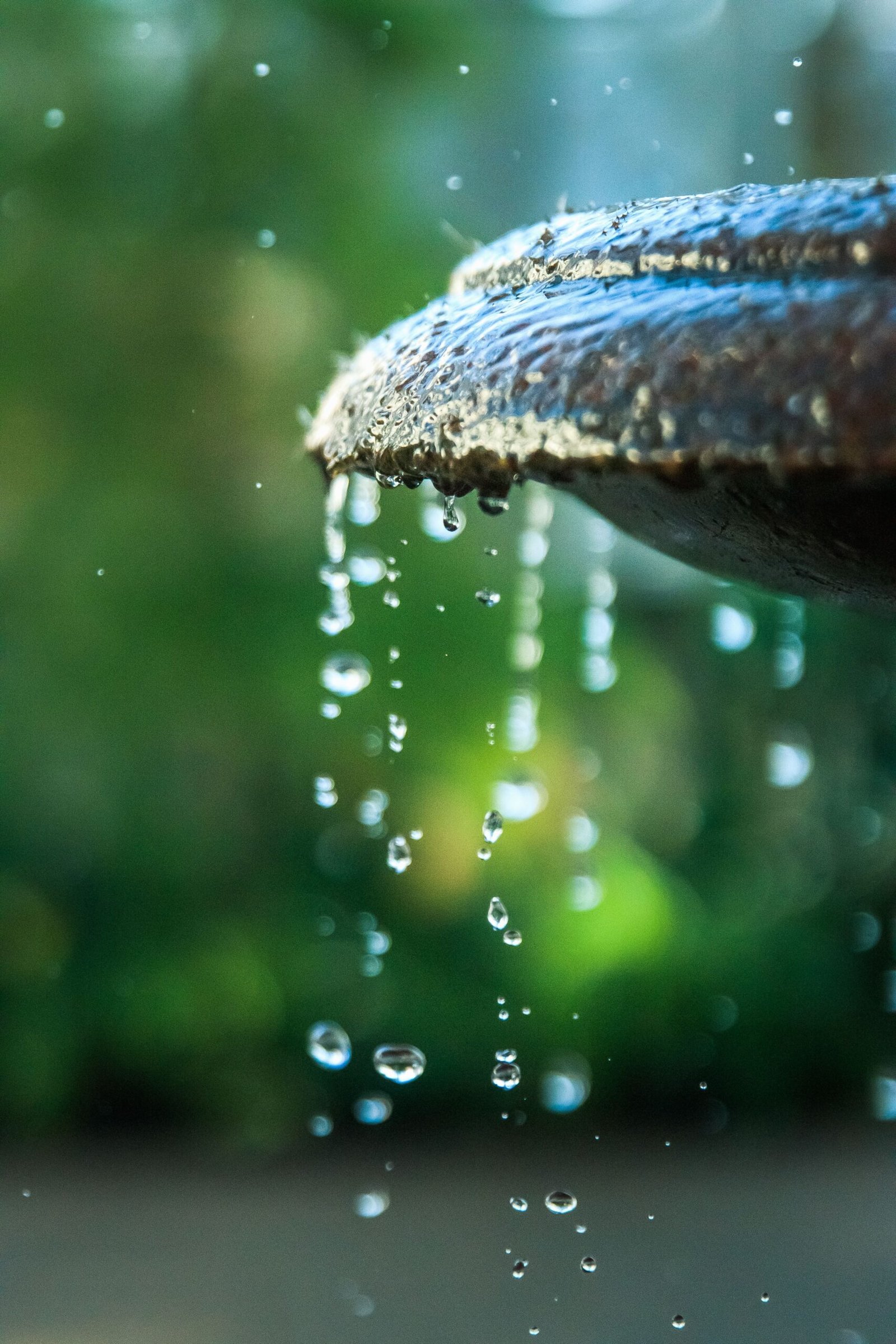
How to Add a Small Water Feature Without Digging a Pond
There is something about water in a garden that changes the feel of the whole place.
It does not have to be a pond, a stream or one of those enormous rock waterfalls that looks as though a hotel reception has escaped into the back garden. A small fountain, a large bowl or even a waterproof container can add movement, sound and another layer of interest without involving a spade.
For a small garden, patio or awkward corner, that can be more than enough.
Start With Where You Want the Water
Before looking at fountains, decide where you actually want the water.
A spot beside a bench, close to the patio, at the edge of a border or somewhere you can see from the kitchen window will usually have far more impact than a fountain hidden in a corner simply because there happened to be room for it.
Stand in the places you use most and look around.
If you want to hear running water while you sit outside, put the feature fairly close to the seating area. If you mainly want a focal point, position it where you can see it from several parts of the garden.
It is much easier to choose the right water feature once you know where it needs to live.
That becomes particularly important when you start thinking about how you are going to power it.
Electric or Solar? Decide Before You Buy
The photographs are usually the interesting bit when you are choosing a water feature.
The power supply is the boring bit that can decide whether you actually enjoy owning it.
Most fountains with moving water are either corded electric or solar-powered, and both have advantages.
Electric Water Features
If you have a suitable outdoor power supply reasonably close to where you want the fountain, electric is usually the most dependable option.
The pump can run when you want it to regardless of whether the sun is shining, and you do not have to position anything to catch daylight.
That makes electric particularly useful if the feature will sit in a shady border, underneath trees, beside the house or anywhere else that does not receive reliable direct sun.
The limitation, of course, is the cable.
Before buying, check how long the power cable is and think about the route it will need to take. A beautiful fountain is considerably less appealing when the only way to reach the socket involves an extension cable trailing across the patio.
Use a suitable outdoor electrical supply and follow the manufacturer’s installation instructions rather than improvising with indoor plugs and cables.
Solar Water Features
Solar sounds like the obvious easy option.
No outdoor socket. No cable running back to the house. Put the fountain wherever you like and let the sunshine do the rest.
That is the theory.
In reality, the solar panel is often the part that determines where everything goes.
Small solar panels usually need decent direct light to keep the pump running well. Move into shade, get a run of cloudy weather or position the panel badly and a lively little fountain can become a rather half-hearted trickle.
That does not make solar a bad choice. It simply means you need to buy it knowing what you are getting.
If you are looking at solar fountains, check the length of the cable between the fountain and the solar panel.
This can make a surprisingly big difference.
With a very short cable, the fountain and panel effectively have to live in the same place. That may mean putting the water feature in the sun simply because the panel needs it, even though the fountain itself would look much better tucked amongst plants or beside a shady seating area.
A longer lead gives you much more freedom.
You can put the fountain where it suits the garden and position the panel several metres away where it gets stronger sunlight. The cable can often be tucked discreetly through planting rather than having the panel sitting prominently beside the fountain.
Some solar water features also include a rechargeable battery, which can store some of the energy collected during sunnier periods. Others may offer a separate charging option for dull weather.
Neither feature guarantees perfect performance, but they can make a solar fountain considerably easier to live with.
You Do Not Actually Need a Pump
Moving water is lovely, but it is not compulsory.
A large waterproof bowl, ceramic pot, half barrel or other container can make a very simple still-water feature.
That can be particularly useful if your main aim is attracting wildlife rather than creating the sound of running water.
Add a few stones so insects have somewhere to land, perhaps one or two small aquatic plants, and make sure anything that gets into the water has an easy way back out.
There is no electricity, no solar panel and very little to go wrong.
Sometimes simple really does win.
Choose Something That Suits the Garden
Water features do not have to come in one particular style.
A cottage garden might suit something rustic tucked amongst planting, while a contemporary garden can take a much stronger sculptural feature.
Bright glazed pots can become focal points in their own right. Stone-effect bowls can almost disappear into a border. Tall urns and jars work particularly well against a plain wall or surrounded by foliage.
Do not automatically assume that a small garden needs a tiny water feature either.
One substantial feature in the right place can look much better than several little ornaments dotted around the garden.
Think about whether you want the water feature to blend in or stand out.
Both can work.
You Can Make a Water Feature From a Container
You do not necessarily need to buy something sold as a water feature.
A waterproof container can do the job perfectly well.
Glazed ceramic pots, troughs, large bowls and half barrels are all possibilities. If the container has drainage holes, they will obviously need sealing first.
Test it before doing anything elaborate around it. Discovering that your new water feature slowly empties itself overnight is much less annoying before you have planted around it and arranged twenty kilos of decorative stones.
If you want moving water, a small pump can be added to the container. Depending on the pump, you can create anything from a gentle bubble at the surface to a small fountain.
Otherwise, leave the water still and let the container itself be the feature.
Make It Safe for Wildlife
Even if you install a fountain entirely for yourself, wildlife may quickly start using it.
Birds may come to drink or bathe. Bees, butterflies and other insects also need water, particularly during hot weather.
Give them somewhere safe to land.
Stones that rise slightly above the water are useful for insects, while a shallow edge or sloping stone gives birds and other small visitors easier access.
Avoid creating a container where every side is steep and slippery with no obvious way out.
A decorative feature can still be wildlife-friendly without turning it into a miniature pond.
Use Planting to Settle It Into the Garden
New water features can look slightly obvious on the day they arrive.
Planting changes that very quickly.
Ferns, hostas, grasses and plants with softer foliage work particularly well around water, although the right plants obviously depend on whether the area is sunny or shady.
You do not need to hide the feature completely.
A few plants brushing against the edge can be enough to make it feel as though it belongs there.
If you have chosen something colourful or sculptural, do the opposite and use the planting to frame it.
Strong green foliage behind a turquoise, blue or glazed pot can make the colour look even better.
Think About the Sound Too
This is easy to overlook when buying online.
Water trickling gently into a bowl sounds very different from several streams splashing down through a tiered fountain.
If the feature is going beside somewhere you sit, the sound matters.
Some people want enough splashing to disguise road noise or neighbours. Others want something much quieter in the background.
The height the water falls, the pump strength and the amount of water in the reservoir can all change the sound, so it is worth reading descriptions and reviews with that in mind.
A fountain that sounds wonderfully relaxing to one person may sound like someone continually filling the bath to another.
Do Not Forget the Maintenance
Small water features are fairly easy to look after, but they are not completely maintenance-free.
Water evaporates, especially during hot weather and particularly when it is constantly moving.
Leaves will fall in.
Algae may appear.
Pumps occasionally need cleaning.
Solar panels also work better when they are kept clean rather than gradually disappearing beneath dust, pollen and whatever the birds have contributed.
Position the feature somewhere you can reach without crawling underneath a shrub every time it needs topping up.
If winters are cold enough for water to freeze, check what the manufacturer recommends. Pumps may need removing, and some containers or fountain materials need draining or protecting from frost.
Let It Become Part of the Garden
A water feature often looks newest on the day you install it.
Give it a little time.
Plants grow towards it. Stone begins to weather. Birds discover the water. You stop consciously noticing the fountain every time you walk past and simply start hearing the water in the background.
That is when it stops feeling like something you added to the garden and starts feeling like it belongs there.
And considering you can achieve all of that without digging a pond, it is a remarkably manageable garden project.