A Few Easy Ways to Help Garden Wildlife This Summer and Autumn
You do not need to dig a pond, build a hedgehog hotel or give half the garden over to nettles to make it a bit more useful to wildlife.
There are plenty of small things you can do this summer and autumn, most of them without buying anything or taking on another garden project. Which is probably just as well, because there is always something else in the garden demanding attention already.
The easiest place to start is with water.
A shallow bowl, plant saucer or old dish placed somewhere quiet can be surprisingly useful during warm weather. Add a couple of stones so bees and other insects have somewhere to land without falling in, then top it up when you are watering the plants.
It does need cleaning now and again. The idea is to provide drinking water, not create a small green soup beside the shed.
If you already grow herbs, you may also have a useful source of food for pollinators without realising it. Thyme, oregano, mint, chives and rosemary are all popular with bees when they are allowed to flower.
You do not need to stop using the herbs yourself. Just leave a few flowering stems rather than cutting the whole lot back at once. My herbs often seem far more determined to produce flowers than anything I actually planted for that purpose, so they may as well be useful.
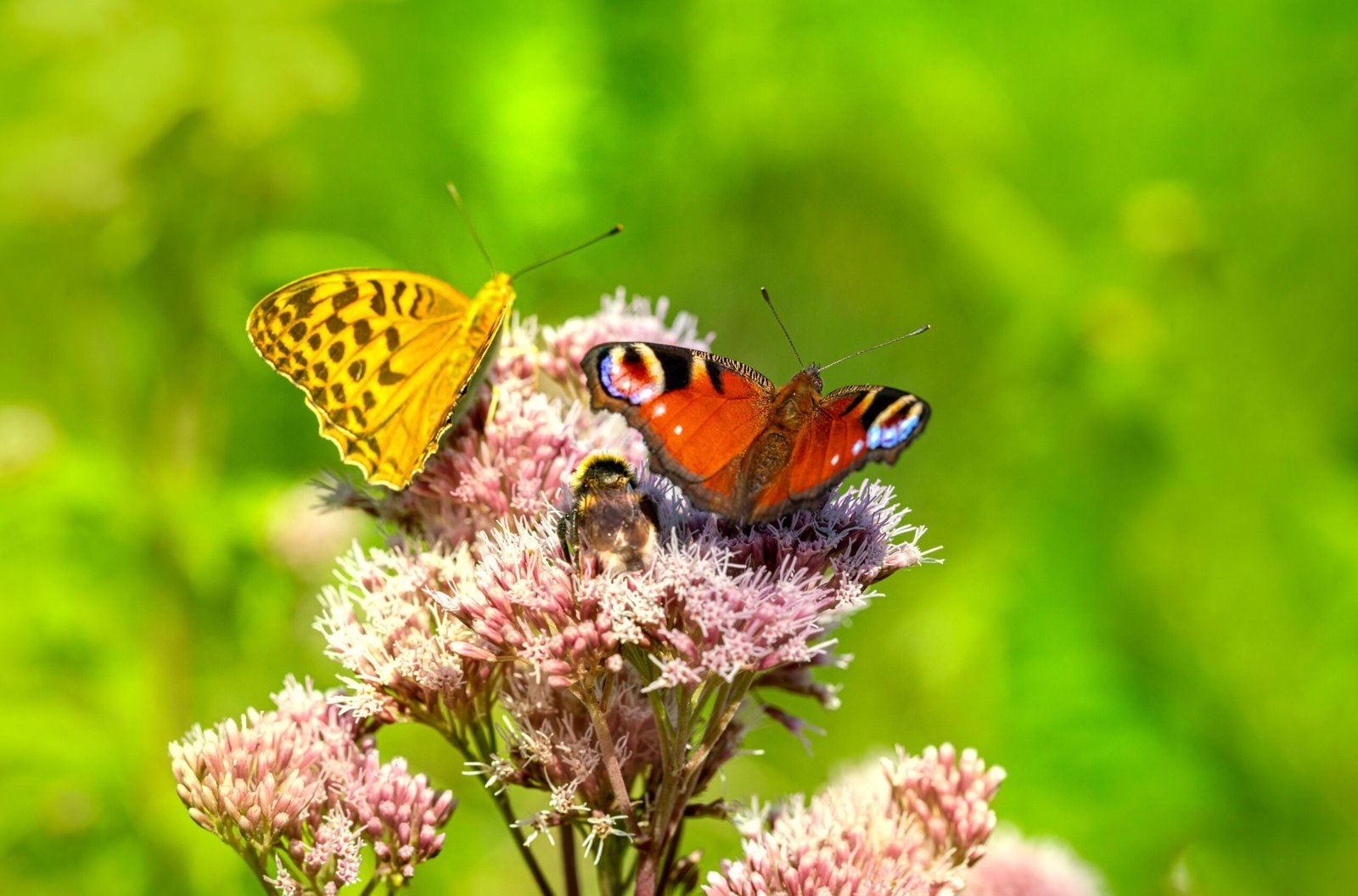
Late summer can become a leaner time for bees and butterflies as earlier flowers start to fade. Adding one or two later-flowering plants can help fill the gap.
A pot of asters, sedum, salvia or verbena is enough to make a difference. There is no need to redesign the border or suddenly become an expert in native wildflowers. Look for something with open flowers that has plenty of insects visiting it at the garden centre. They generally know what is worth bothering with.
It is also worth resisting the urge to deadhead absolutely everything.
I am not suggesting leaving the entire garden full of brown sticks and collapsed flowers. Some things have clearly finished and can go. But a few sturdy seed heads can provide food for birds later in the year and shelter for insects as the weather cools.
Sunflowers are an obvious example, but coneflowers and other strong perennials can be left standing too. Keep the ones that still add a bit of shape to the garden and remove the ones that have flopped across the path and are trying to trip you up.
As autumn gets closer, the same applies to fallen leaves.
Leaves on paths and patios are slippery and annoying, so clear those. Leaves tucked beneath shrubs or at the back of a border are a different matter. They give insects somewhere to shelter, protect the soil and slowly break down without you having to do very much at all.
It is essentially free mulch delivered from above, although admittedly not always to the exact place you wanted it.
A small pile of twigs, logs or stones can help as well. It does not need to be a grand wildlife structure with a sign on it. A few bits tucked behind a shed, beneath a hedge or at the back of a border will provide hiding places for insects and possibly frogs or toads.
Keeping it to one contained corner means the garden still looks cared for. You are creating a hiding place, not opening a branch-storage facility.
You might also leave one patch of grass slightly longer for a while.
This does not mean abandoning the mower until spring. A narrow strip beside a fence, a small circle around a tree or one corner that is not used for sitting can give insects a little more cover.
Mow around it or keep the edge neat and it will look intentional. That one tidy edge makes an extraordinary difference between “wildlife patch” and “I forgot that bit.”
The final change is probably the simplest, although not always the easiest: try not to spray every insect the moment it appears.
A few aphids or chewed leaves do not necessarily mean the garden is being destroyed. Aphids attract ladybirds, caterpillars feed birds and slugs are useful food for frogs and toads, irritating though they may be when they find the lettuces.
You can still protect plants that are being badly damaged. The point is simply to pause before treating every insect as an emergency.
A wildlife-friendly garden does not need to be wild everywhere. It can still have mown grass, clear paths, tidy seating and borders that look as though somebody is in charge.
Put out a bowl of water. Leave a few herbs flowering. Keep some seed heads and allow one quiet corner to be a little less thoroughly tidied.
That is enough to make a start, and it does not require sacrificing the garden to the brambles.