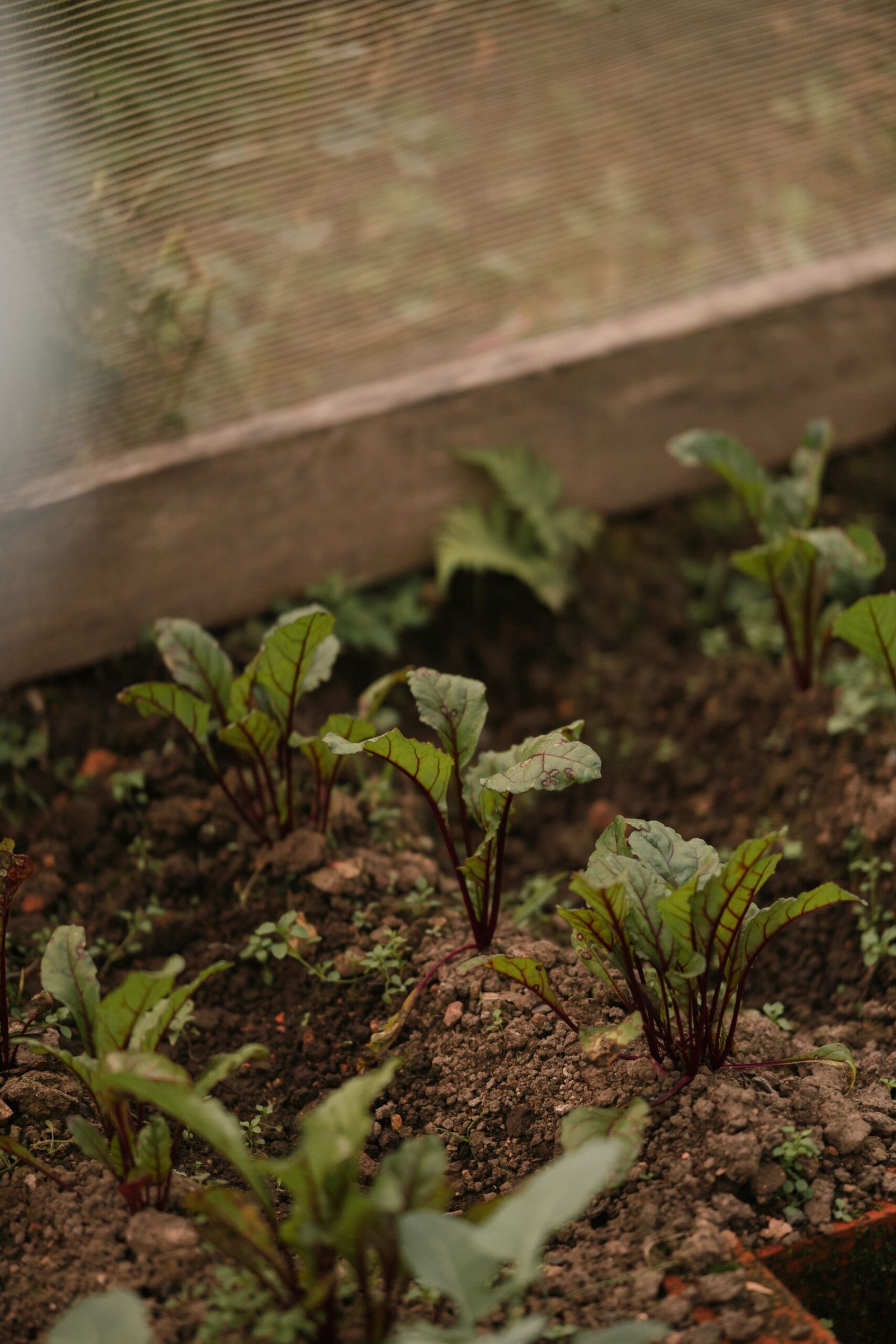
What to Do With the Empty Gaps Appearing in Your Vegetable Beds
By late summer, the kitchen garden starts changing shape.
Early potatoes have been lifted, peas have finished, lettuces have been eaten, and some of the plants that looked huge and productive a few weeks ago are beginning to fade. Where everything once felt packed, gaps start to appear.
Those gaps are not wasted space. They are simply the next stage of the garden.
You can use them for another crop, cover them to protect the soil, add something that supports pollinators, or sow plants that will improve the bed over the coming months. The key is to avoid thinking of an empty patch as dead space.
Start With What Has Just Finished
Before doing anything with a gap, look at what was growing there.
If the crop was healthy, there is usually very little preparation needed. Cut the finished plant at soil level where practical, leave the roots in place to break down naturally, remove any obvious weeds and add a light layer of compost to the surface if the bed would benefit from it.
There is no need to dig, fork or work the compost into the soil.
Leaving healthy roots behind means they can gradually decompose underground, feeding soil organisms and creating tiny channels through the soil as they disappear.
If the crop was affected by disease, remove the affected material rather than leaving it in the bed. Once that is done, you can decide what job the space should do next.
Fill Small Gaps With Fast Crops
A small gap does not need a complicated planting plan.
Late summer soil is still warm, so there is time to sow quick-growing crops such as radishes, rocket, spinach and salad leaves. Cooler weather can actually suit some leafy crops better than the heat of midsummer.
You do not need to sow the whole bed again. A short row or a small patch can be enough to keep fresh food coming without creating another major gardening job.
This works particularly well when crops finish at different times. If one row of peas is done but the beans beside it are still producing, you can simply use the space the peas have left behind.
Replace Crops As They Finish
Vegetable beds do not have to be cleared and replanted all at once.
In a mixed kitchen garden, it often makes more sense to change things gradually. As one crop finishes, another can take its place, while everything around it carries on growing.
That might mean adding more salad crops now, putting in hardy greens a little later, or using the space for garlic once the season moves on.
Thinking this way makes succession planting much simpler because you are not trying to manage an entire bed according to one fixed timetable. You are responding to the space as it becomes available.
Use Green Manure When You Do Not Need More Food
Sometimes the last thing you need is another vegetable.
If the freezer is full, the tomatoes are taking over the kitchen and you are already wondering why you planted so many courgettes, the empty space can be used to grow something for the soil instead.
For a short-term gap, phacelia is a useful option. It grows quickly, provides good ground cover and, if some is allowed to flower, is valuable to pollinators.
Mustard is another fast-growing choice that produces plenty of leafy growth in a relatively short period. It is worth avoiding in areas where you plan to grow brassicas, though, because mustard belongs to the same plant family.
For a bed that will remain unused through winter, grazing rye is a better option. It can provide cover through the colder months and develops a substantial root system beneath the soil.
Winter tares, also known as winter vetch, can also be used for longer-term winter cover and are sometimes grown alongside rye.
When you are ready to use the bed again, there is no need to dig the green manure into the soil. Cut it down at the base and leave the roots in place to break down naturally, while the top growth can be left on the surface as mulch. Over time, worms and other soil organisms will begin pulling that material down, so the bed is being fed without disturbing the soil structure.
If the gap is only temporary, phacelia is a good choice because it grows quickly and is easy to cut back before the next crop goes in. For a bed that will remain unused through winter, grazing rye or winter tares are better suited because they will keep the soil covered for much longer and continue protecting it through colder weather.
Add Plants That Help the Rest of the Garden
An empty space in a vegetable bed does not have to contain another vegetable.
Herbs and flowers can be useful additions, particularly if they attract pollinators or beneficial insects. Coriander and dill, for example, can be allowed to flower, while plants such as calendula or nasturtiums can help fill smaller spaces around edible crops.
This is one of the advantages of treating the kitchen garden as a living system rather than a collection of separate rows. A plant does not have to end up on your plate to earn its place.
Cover Larger Empty Areas
If a larger section of a bed has finished and you do not want to plant anything immediately, cover the soil rather than leaving it bare.
A layer of compost, chopped leaves or another suitable organic mulch will help reduce moisture loss, protect the soil surface and make it harder for weeds to take over.
It also keeps organic material where soil organisms can get to it.
By the time you want to use the bed again, much of that material may already have started breaking down, leaving the soil better protected and better fed without any digging.
Let Existing Plants Use the Space
Sometimes the gap is useful without adding anything new.
A squash vine may be able to spread into it, nasturtiums might begin trailing across the space, or a neighbouring crop may simply benefit from the extra light and airflow.
This is especially useful in a mixed planting system where plants are allowed to overlap rather than being kept in strict rows.
The fact that there is no new plant sitting neatly in the middle of the gap does not mean the space is being wasted.
Keep the Soil Covered and Let the Bed Evolve
By late summer, the aim is not to keep every square inch packed with vegetables at all costs. It is to make sure each part of the bed is still doing something useful.
A gap might grow another quick crop, support a few flowers, hold a green manure through winter, give an existing plant more room, or simply sit beneath a layer of compost and mulch while the soil underneath continues working.
That gradual change is part of how a productive garden functions.
One crop finishes, its roots remain in the soil, another plant takes advantage of the space, organic matter is added to the surface and the bed moves into its next stage without ever needing to be stripped bare and started again.
The vegetable garden does not stop being productive simply because a few gaps appear. In many ways, those gaps are where the next season begins.